

India · Base: Shillong, Meghalaya Live One to One Coaching Across India and Worldwide WhatsApp +91 97747 85015

Communication for Educators

Communication for Educators

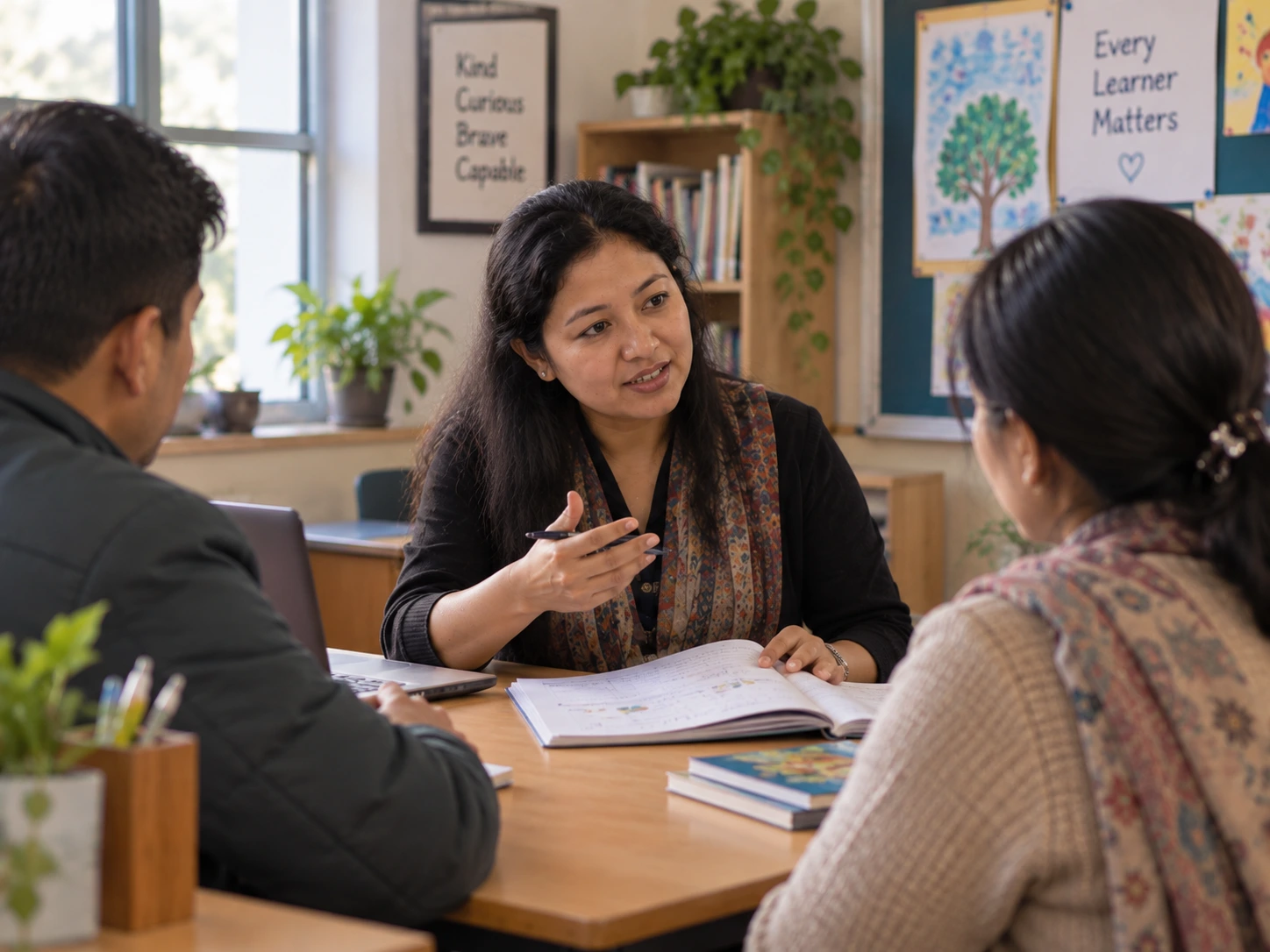
Teacher communicating with learners in a classroom setting
Communication for EducatorsExplain. Engage. Respond.
WHERE EDUCATOR COMMUNICATION SHOWS UP

The same message has to land with students, parents and colleagues.

A teacher breaking down a difficult idea for students at a board

Explaining something difficult

A teacher responding to a student's raised-hand question in class

Handling questions

A teacher speaking with a parent during a school meeting

Speaking to parents

A teacher leading and directing a full classroom of students

Leading a classroom

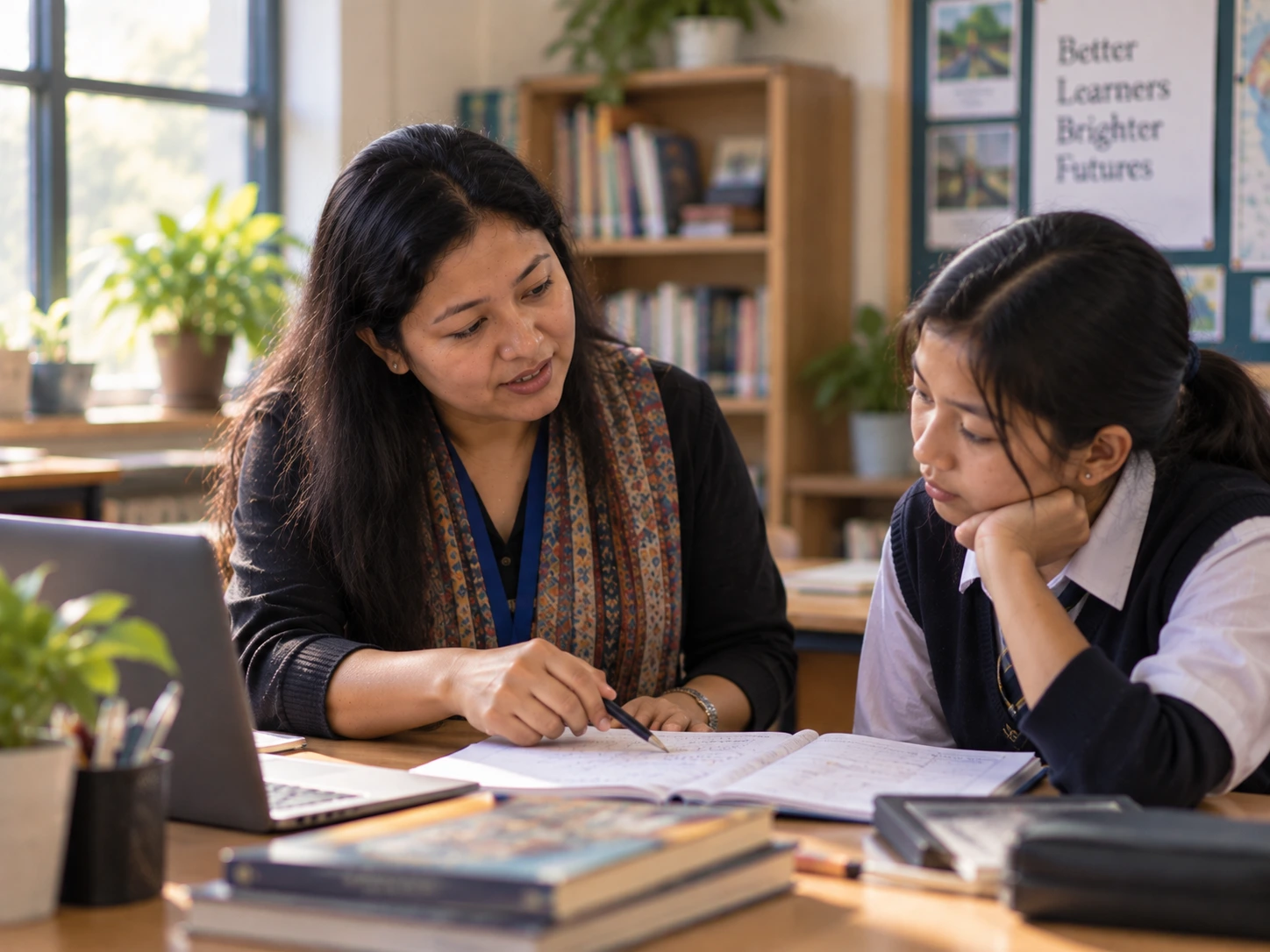
A teacher giving one-to-one feedback to a student on their work

Giving feedback

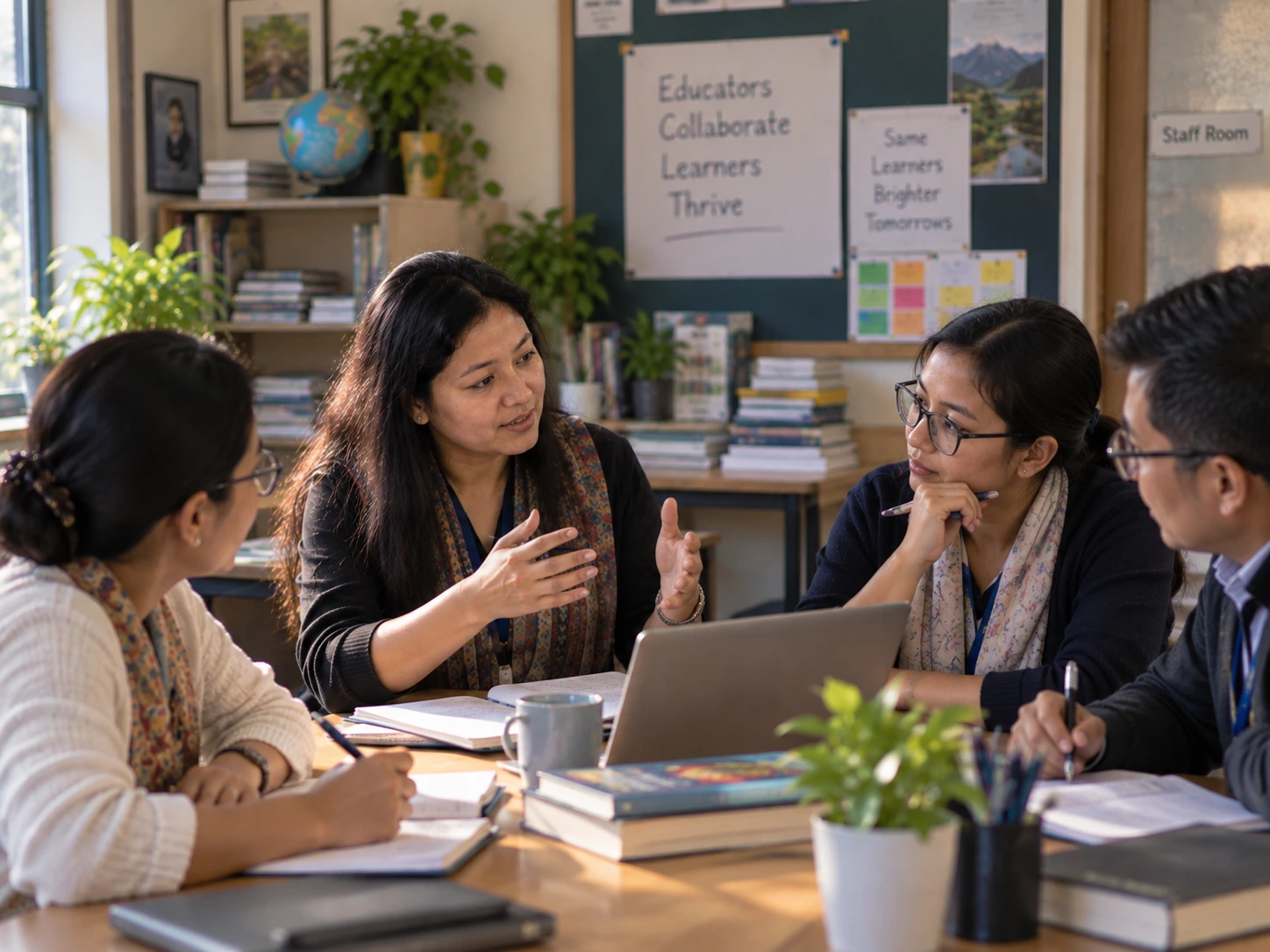
Educators collaborating together in a staff room discussion

Communicating with colleagues

WHAT'S HAPPENING

Knowing the subject is not the same as making it clear.

  1. 01Explaining a difficult concept.
  2. 02Answering an unexpected question.
  3. 03Correcting a learner. Discussing progress with a parent.
  4. 04Contributing in a faculty meeting or presenting before colleagues.

Each situation changes what effective communication requires.

What we train

Explain clearly. Engage deliberately. Respond with control.

  • Educator explaining an idea clearly in a live coaching session
    01

    EXPLAIN

    Make the idea easier to follow.

    Structure explanations so the main point is clear, supporting information arrives in the right order and complexity does not overwhelm the listener.

  • Educator engaging learners through questions and participation
    02

    ENGAGE

    Create attention and participation.

    Use questions, listening, pace, voice and interaction deliberately so communication becomes an exchange rather than a one way delivery.

  • Educator responding with control to questions and feedback
    03

    RESPOND

    Stay clear when the conversation becomes less predictable.

    Handle questions, feedback, disagreement, parent concerns and unexpected responses without losing the point, rushing the answer or becoming unnecessarily defensive.

Where communication changes

The audience changes. The communication has to change with it.

  • CLASSROOM EXPLANATION

    Explain ideas clearly, organize information and recognize when the first explanation is not reaching the learner.

  • STUDENT QUESTIONS & ENGAGEMENT

    Ask better questions, invite participation and respond when students challenge, misunderstand or take the discussion in an unexpected direction.

  • FEEDBACK & BOUNDARIES

    Correct, guide and give constructive feedback clearly without turning every difficult interaction into confrontation.

  • PARENT & PTM CONVERSATIONS

    Discuss progress, concerns, expectations and disagreement with clarity while keeping the conversation focused on what needs to be understood or addressed.

  • FACULTY & LEADERSHIP

    Contribute in meetings, explain ideas to colleagues and communicate clearly when priorities, expectations or professional scrutiny increase.

  • PRESENTATIONS & PUBLIC MOMENTS

    Present to faculty, leadership or wider audiences with clear structure, deliberate pace and control when attention is on you.

For schools & colleges

One educator or a full faculty team.

Coaching can be designed around the communication situations that matter in that institution.

  • Faculty development

    Seng Khasi College, Shillong

    Faculty Train-the-Trainer Workshop on NEP 2020 / MDC 210: English Communication Skills.

    August 2026

  • Recent one-to-one

    Teaching interview communication

    One-to-one mock interview and communication coaching for a learner with a PhD in Education preparing for teaching roles.

    September 2026

Selected education experience

  • Martin Luther Christian University logo
  • St. Anthony’s College logo
  • Lady Keane College logo
  • PGT Shillong College of Teacher Education logo
  • Shillong Vidyalaya Secondary School logo
  • Maria Montessori School, Imphal logo

Discuss a faculty program

Real educators, real feedback

What educators say

Frequently asked questions

Clear answers before the first session.

What communication skills do teachers need?+

Teachers need to explain ideas clearly, listen carefully, ask useful questions, give feedback, respond to students, communicate with parents and colleagues, and adapt their delivery to different situations. The exact communication challenge varies by educator, audience and environment.

How can teachers improve classroom communication?+

Classroom communication can improve when explanations become more structured, questions are used deliberately, listening becomes more active and teachers adjust pace, voice and language according to what learners are actually understanding. NESkills trains these behaviors through practice, observation, correction and realistic communication situations.

How can teachers handle difficult conversations with parents?+

Difficult parent conversations require clarity, listening and control. The educator needs to understand the concern, separate facts from assumptions, explain the issue without unnecessary defensiveness and keep the discussion focused on what needs to happen next. These situations can be practiced before they occur in real parent meetings or PTMs.

Can Communication for Educators help with presentations and public speaking?+

Yes. Educators may need to present in classrooms, faculty meetings, workshops, assemblies, conferences or institutional events. The program can work on structure, delivery, voice, question handling and communication under scrutiny depending on the educator's specific requirement.

Is Communication for Educators a teaching methodology or pedagogy program?+

No. NESkills does not position this program as pedagogical training. Communication for Educators focuses specifically on how educators explain, question, listen, respond, give feedback, present and handle professional conversations.

Does NESkills provide communication workshops for schools and colleges?+

Yes. NESkills can design communication focused workshops and faculty development engagements for schools, colleges and other educational institutions. The scope is defined around the participants, communication situations, intended outcomes and delivery environment rather than using one generic workshop for every institution.

Communication for Educators

Better communication changes more than the lesson.

Start with a communication diagnosis or discuss a faculty program to identify where clarity, engagement, response or delivery needs to become stronger.